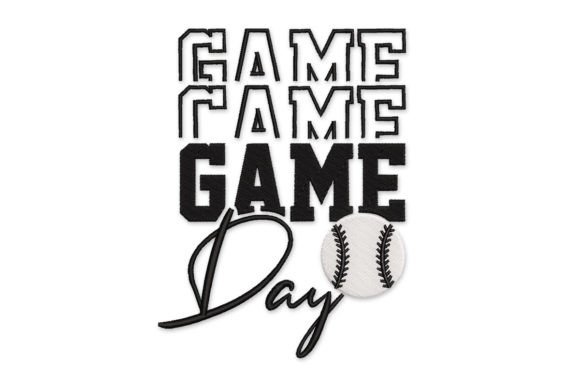
Game Day Baseball Mom
A Practical Review for Small Business Merch & Branded Patches
As an embroidery designer who’s digitized and stitched thousands of designs for small businesses—from neighborhood bakeries to pet boutiques—I approached Game Day Baseball Mom with a specific question: Does this design translate into trustworthy, scalable brand assets—or is it just a decorative motif? The title alone signals warmth and community, but for a café owner adding embroidered aprons or a florist branding tote bags for Mother’s Day events, execution matters more than charm.
First Impression: Friendly, Familiar, and Functionally Focused
Game Day Baseball Mom reads as approachable—not overly sporty, not generic. It avoids aggressive mascots or hyper-masculine tropes common in sports embroidery. Instead, it leans into heartfelt celebration: think bleachers, not boardrooms; pride, not pressure. That makes it unusually versatile for non-sports businesses—like a local bakery launching “Game Day Snack Packs” or a handmade studio selling embroidered baseball-themed baby onesies. It feels handmade product-adjacent: warm, intentional, and quietly confident—not flashy, but memorable.
Real-World Performance Across Merch Channels
In practice, Game Day Baseball Mom shines where authenticity and recognition intersect:
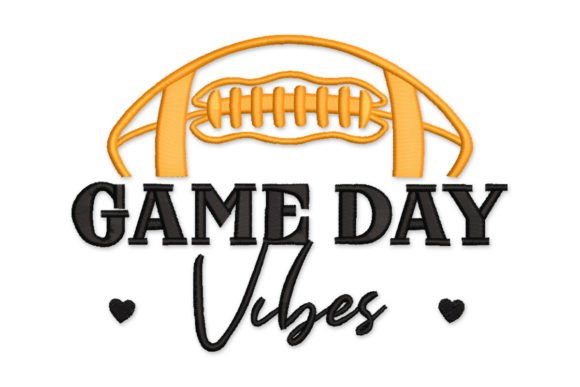
- Embroidered patch: Works exceptionally well as a 2.5"–3.5" sew-on or iron-on patch on denim jackets, canvas tote bags, or staff aprons. Its balanced composition—likely centered text with subtle baseball iconography—holds clarity without overcrowding.
- Cap embroidery: Ideal for the front of structured caps (not curved low-profiles) when sized to 2"–2.25" wide. Avoid stretching it across the full cap front—it’s strongest as a clean chest-logo accent, not a sprawling graphic.
- Apron embroidery: Perfect placement at the lower left corner or centered above the pocket. Its friendly tone reinforces service warmth—critical for cafés, florists, or craft studios building personal connection.
- Tote bag design: Stitches beautifully on medium-weight canvas or cotton duck. At 4"–5" wide, it reads clearly from a distance and pairs well with minimalist typography or hand-drawn accents in your broader design assets.
- Small business merch: Scales smartly onto reusable water bottles (via embroidered sleeve wraps), koozies, and even packaging tags—especially when paired with complementary thread colors that match your brand palette.
Where Caution Is Essential
Not every surface is forgiving—and Game Day Baseball Mom demands thoughtful placement:
- Avoid tiny patch sizes (<2"): Fine details (like stitching lines or small baseball elements) may blur or vanish. Always test stitch at your target size before bulk production.
- Caps with deep curvature: Front panels that dip sharply can distort letter spacing. Confirm hoop compatibility and consider slight simplification if needed.
- Textured fabric (terry cloth, heavy twill, linen blends): High stitch density could cause puckering. Use cutaway stabilizer—not tear-away—and reduce top tension slightly during test runs.
- Dark uniforms or black totes: Verify contrast. If the design relies on light thread on dark fabric, request a digital embroidery file preview in black-and-white mode first—some outlines or shadows may disappear without sufficient tonal separation.
- Frequent-wash items (staff shirts, kids’ gear): Confirm thread durability and backing integrity. A well-digitized machine embroidery design holds up—but always wash-test one sample garment before committing.
Brand Identity Impact: More Than Just Stitching
For small business owners, every embroidered detail contributes to brand identity. Game Day Baseball Mom doesn’t scream “corporate”—and that’s its strength. It builds customer trust through relatability: moms recognize themselves, fans feel seen, and shoppers associate your shop with care and community. Used consistently across aprons, tote bags, and event merch, it boosts visual consistency without sacrificing personality.
It also elevates perceived value. A boutique selling handmade candles gains credibility when their checkout tote carries a cleanly stitched Game Day Baseball Mom patch—subtly signaling craftsmanship and attention to detail. On Etsy or at local markets, that level of polish increases buyer engagement, especially among parents, educators, and community-focused customers.
Essential Embroidery Designer Notes Before Production
Before you load the embroidery file into your machine or send it to your digitizer, run these checks:
- Test in black and white first: Simulate how it renders in monochrome—this reveals hidden spacing issues or weak contrast zones.
- Confirm small-patch viability: Resize to your smallest intended use (e.g., 1.75") and inspect legibility in your embroidery software.
- Review thread color contrast against your base fabric—especially on heather greys or navy blends where off-whites may fade visually.
- Inspect letter spacing and outline weight: Tight kerning or ultra-thin borders won’t survive commercial embroidery without adjustment.
- Verify hoop size compatibility: Does it fit comfortably within your standard 4x4 or 5x7 hoop? Oversized versions may require re-hooping mid-stitch—a red flag for production efficiency.
- Test on real fabric, not just felt or stabilizer scraps. Cotton poplin behaves differently than canvas or polyester twill.
- Use proper stabilizer: Cutaway for knits and stretch fabrics; medium-weight tear-away for stable wovens like tote canvas.
- Create a printable mockup for client approval—especially important for custom apparel orders or wholesale partners.
- Compare beside other design assets: Does Game Day Baseball Mom harmonize with your logo, tagline, or secondary graphics—or does it visually compete?
- Confirm commercial licensing: Since this is intended for small business merch and commercial embroidery, ensure your purchase grants rights for resale, not just personal use.
Ultimately, Game Day Baseball Mom isn’t just another sports motif—it’s a thoughtful, adaptable piece of embroidery infrastructure. When used intentionally—with attention to fabric, scale, and brand voice—it transforms everyday items into meaningful touchpoints. For small business owners building loyalty one stitch at a time, that’s not decoration. It’s strategy.