Applique Design of Football Helmet
First Impression: Bold, Playful, and Instantly Recognizable
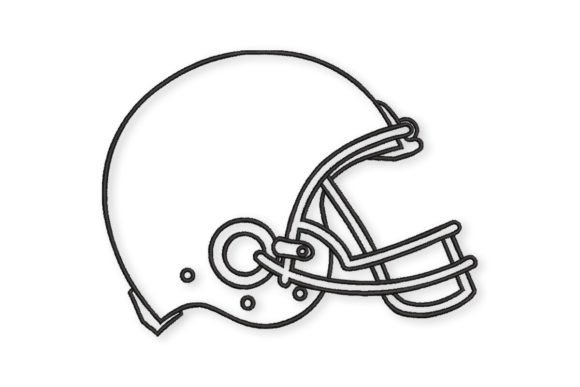
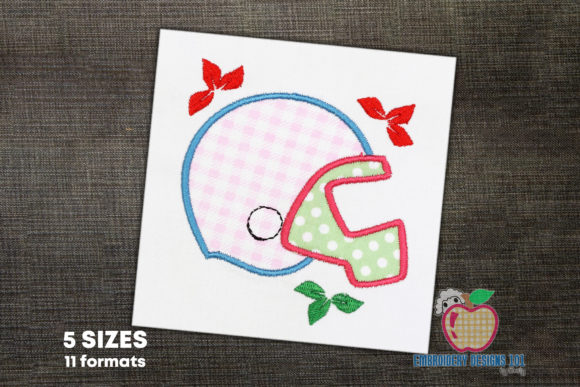
As an embroidery designer who’s prepped over 200 craft fair booths—and shipped thousands of embroidered small shop products—I opened the Applique Design of Football Helmet expecting energy, not subtlety. And it delivered. This isn’t a minimalist silhouette or a vintage sketch—it’s a confident, dimensional football helmet appliqué with clear contours, layered fabric effects, and strong visual hierarchy. It reads as bold and spirited at 3 feet, friendly and approachable at 12 inches, and unmistakably sports-themed without leaning into team-specific logos or licensing traps. That’s gold for handmade markets.
Where It Shines: Craft Fair Product Placement That Converts
In my booth setup—tote bags front-and-center, aprons draped over a ladder shelf, tea towels folded beside embroidered pillow covers—the Applique Design of Football Helmet works hardest on three items: embroidered patches, tote bag designs, and caps. Why? Because those are high-visibility, high-intent items. A patch sewn onto a denim jacket draws questions. A helmet on a sturdy canvas tote signals personality and pride—not just utility. And on a structured cap, the design’s curved symmetry mirrors the dome shape, making it feel intentional, not slapped on.
It also performs beautifully on apron embroidery (centered above the pocket), tea towel embroidery (top corner, 4–5" wide), and small fabric pouches (as a clean focal point). Avoid using it full-bleed on large pillow covers unless you’re targeting a very specific sports-collectible niche—it can overwhelm softer home decor contexts. As a handmade product, it adds instant thematic cohesion to a “game day gift bundle” alongside mini popcorn bags or jersey-inspired ribbon.
Real-World Production Notes Every Embroidery Business Owner Should Know
This machine embroidery design is straightforward—but not foolproof. Here’s what I tested before committing to 50 units:
- Stitch density matters. The helmet’s facemask area packs fine cross-stitching—beautiful in person, but prone to puckering on terry cloth or thick cotton towels. Use cutaway stabilizer + medium-weight tear-away for best results.
- Thread contrast is non-negotiable. On dark fabric, default thread colors may vanish. Swap in high-contrast threads (e.g., bright silver or white for the mask bars) before stitching caps or black totes.
- Hoop size compatibility is essential. Confirm your hoop fits the largest version before batching. Some files include multiple sizes—great for flexibility, but only if they scale cleanly. Tiny details (like rivets or strap ends) often blur below 3".
- Fabric texture changes everything. On textured tea towels, reduce top tension slightly and slow stitch speed by 15%. On curved cap surfaces, use a cap frame and test-fit the design placement—it shouldn’t stretch across seams or crowns.
Online & Offline Appeal: How Applique Design of Football Helmet Sells
For Etsy sellers and digital embroidery file shops: this design photographs exceptionally well. Its strong outlines, balanced negative space, and recognizable subject make for crisp printable mockups. Pair it with lifestyle shots—a stitched tote slung over a stadium seat, a patch pinned to a flannel shirt—and conversion rates climb. It’s also highly repeatable for batch production: once stabilized and threaded, you can run 20+ units with minimal intervention.
In-person, it cuts through visual noise. At craft fairs, customers scan booths in under 7 seconds. The Applique Design of Football Helmet triggers instant recognition (“football!”), emotional resonance (“my kid’s team!”), and gifting logic (“perfect for Coach’s birthday”). That trifecta is rare—and valuable.
Smart Positioning for Brand Consistency and Booth Strength
If your brand leans rustic, modern, or farmhouse, this design still fits—if styled intentionally. Use neutral thread palettes (cream, charcoal, olive) on natural linen totem bags. Add leather pull tabs or brass grommets to pouches to elevate perceived value. For boutique makers, pair it with coordinating monogrammed initials nearby—“J + T” next to the helmet—to suggest personalization without clutter.
Don’t treat it as a standalone novelty. Anchor it within a broader commercial embroidery story: “Game Day Collection,” “Team Spirit Line,” or “Pride & Play.” That builds repeat traffic and encourages multi-item carts.
Critical Pre-Production Checks (No Exceptions)
Before stitching your first finished product, do these six things:
- Run a test on scrap fabric matching your target product’s weight and weave.
- Check thread color harmony—not just on white, but on your top 3 fabric colors.
- Review spacing between elements. Does the helmet sit comfortably within your intended hoop boundary?
- Inspect stitch order: appliqué layers should sequence logically (base fabric → main shape → details → satin border).
- Confirm stabilizer choice matches both fabric *and* stitch density—especially around dense areas like the facemask.
- Create at least one real-world mockup (not just digital). Hold it in natural light. Walk away and look back—does it pop?
And one final note: verify commercial licensing before selling any handmade product featuring this digital embroidery file. Not all embroidery file sellers grant blanket rights for resale—some restrict usage to personal projects only. When in doubt, email the seller. It takes two minutes—and saves returns, reviews, and reputation.
Final Verdict: A High-Return, Low-Risk Craft Fair Staple
The Applique Design of Football Helmet isn’t just another Sports motif—it’s a versatile, emotionally resonant, and production-smart asset for embroidery business owners. It balances fun with polish, clarity with character, and simplicity with enough detail to justify premium pricing. Whether you’re curating a weekend market table or building an Etsy seller catalog, this machine embroidery design earns its spot—not because it’s trendy, but because it sells, stitches cleanly, and feels authentically handmade.